"Ambitious and immersive...an elegantly told meditation on how we can’t leave ourselves behind." -Esquire Magazine …
Breathtaking
5 étoiles
When I heard of this book--a generation ship novel entirely in verse--I was excited and felt some trepidation, because it can be easy for a technical feat like that to overshadow the story. Once I had it in hand and flicked through, I felt both of those things more intensely, because parts of the book employ the sort of creative layouts I associate more with zines than novels.
It turns out that all of that drives the story and characterisation with a singular focus. Even the wackiest-looking page layouts are a guide for pacing and mood, and work fantastically well. I am unusually tempted to just go back to the beginning and read the whole thing through again.
It is also an interesting story, and the three main characters are compelling. It made sense to mostly focus on them at the expense of the ship's crew, but at …
When I heard of this book--a generation ship novel entirely in verse--I was excited and felt some trepidation, because it can be easy for a technical feat like that to overshadow the story. Once I had it in hand and flicked through, I felt both of those things more intensely, because parts of the book employ the sort of creative layouts I associate more with zines than novels.
It turns out that all of that drives the story and characterisation with a singular focus. Even the wackiest-looking page layouts are a guide for pacing and mood, and work fantastically well. I am unusually tempted to just go back to the beginning and read the whole thing through again.
It is also an interesting story, and the three main characters are compelling. It made sense to mostly focus on them at the expense of the ship's crew, but at the end I was left a little frustrated that one question was never addressed: what would have motivated rank-and-file members of the first generation crew to sign up?
It is also a deeply Christian story, enough so that I feel like that needs to be a potential CW. But this is handled in a very interesting way that worked for me as a non-Christian reader.
"Ambitious and immersive...an elegantly told meditation on how we can’t leave ourselves behind." -Esquire Magazine …
About half a chapter in, and I can already tell this is going to be gloriously batshit. I think I mean that as unqualified praise, ask me again after a couple of chapters. #SFFBookClub
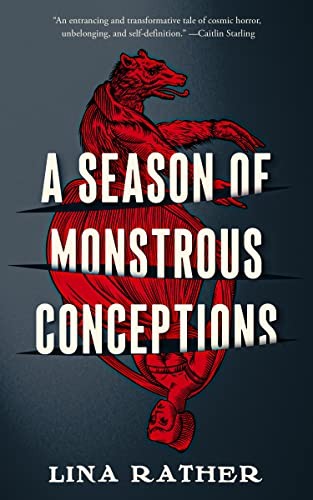
What does it mean to "be-in-kind" with a nonhuman animal? Or in Dr. Sean Kell-Luddon’s …
Devastating
5 étoiles
How to review this without spoilers for things that it is definitely worth encountering at the speed they're written?
I found this a hard book to read, because so much of the plot is driven by the protagonist making decisions that are clearly bad in the moment they are made. I felt a bit like the stereotypical moviegoer wanting to shout "no, don't do it" at the screen. But I ultimately came to see it as a classic tragedy: a whole series of painful events driven by the hero's fatal flaw. And it is all aspects of the same flaw, and the flaw is one that's very recognisable looking around at society.
It's also a story of the right size for the novella format. Sometimes I get frustrated that novellas feel incomplete, rushing to an ending and/or leaving too few characters fleshed out. This one just felt tightly …
How to review this without spoilers for things that it is definitely worth encountering at the speed they're written?
I found this a hard book to read, because so much of the plot is driven by the protagonist making decisions that are clearly bad in the moment they are made. I felt a bit like the stereotypical moviegoer wanting to shout "no, don't do it" at the screen. But I ultimately came to see it as a classic tragedy: a whole series of painful events driven by the hero's fatal flaw. And it is all aspects of the same flaw, and the flaw is one that's very recognisable looking around at society.
It's also a story of the right size for the novella format. Sometimes I get frustrated that novellas feel incomplete, rushing to an ending and/or leaving too few characters fleshed out. This one just felt tightly focussed.
And it has one of the best closing sentences of anything I've read, up there with The Dispossessed for how perfectly it recapitulates the whole story, and how little it will mean prior to having read the story.
Ten years have passed since a widespread blackout triggered the rapid collapse of society, when …
Great sequel that I think could also stand alone
5 étoiles
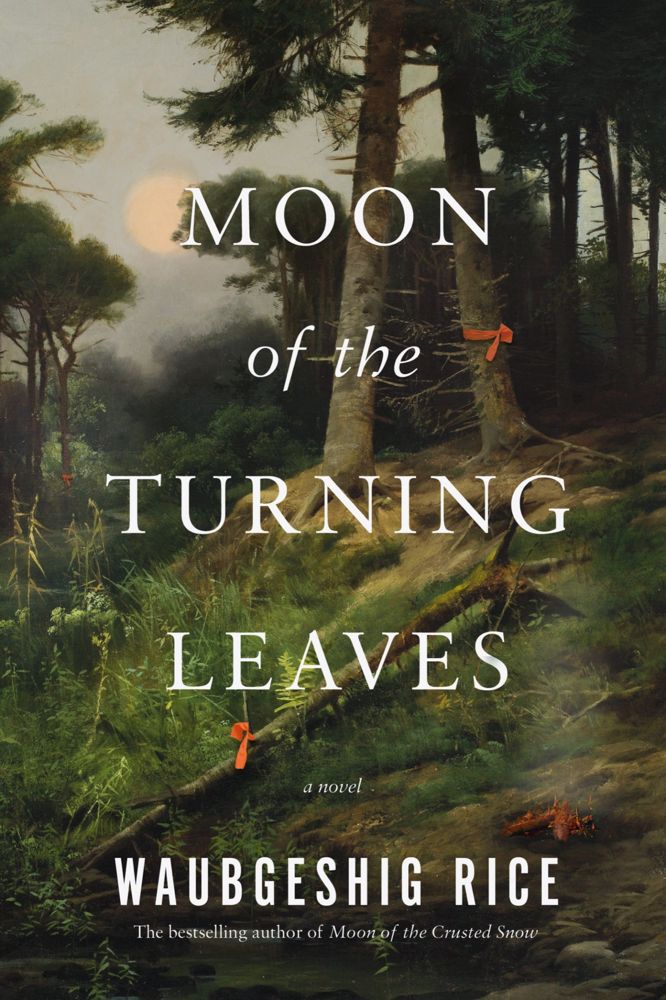
I found this a very satisfying continuation and conclusion of the story started in Moon of the Crusted Snow. It has a very different mood and focus, so much so that in this review I'm trying to avoid spoilers for the previous book more than for this one. Where Crusted Snow gets a lot of its tension from us as readers learning things as the protagonists do, this one is mostly not a suspenseful story. The broad outline of how things have to go is apparent from early on, and most of what makes it interesting is atmosphere and character development. Even the cover art of the two books does a pretty good job of communicating their relative moods.
I'm pretty sure this book would stand alone far better than most sequels do, because it largely follows a character too young to remember the events of or background …
I found this a very satisfying continuation and conclusion of the story started in Moon of the Crusted Snow. It has a very different mood and focus, so much so that in this review I'm trying to avoid spoilers for the previous book more than for this one. Where Crusted Snow gets a lot of its tension from us as readers learning things as the protagonists do, this one is mostly not a suspenseful story. The broad outline of how things have to go is apparent from early on, and most of what makes it interesting is atmosphere and character development. Even the cover art of the two books does a pretty good job of communicating their relative moods.
I'm pretty sure this book would stand alone far better than most sequels do, because it largely follows a character too young to remember the events of or background to the first book. This neatly gives Rice a way to work in some rehashing naturally as people answering her questions, but also this book fills in a lot of information that none of the characters knew during the first one. That said, I'd still recommend reading Crusted Snow first because the most emotional parts of this story are bound to have more impact if you've had longer to get invested in the older characters.
CWs: racist violence, and this one's a real tear jerker.
#SFFBookClub (we read the first one as part of the book club last year)
A 'clinic for the past' offers a promising treatment for Alzheimer's sufferers: each floor reproduces …
An edit of this book could be amazing, but it does need the edit.
3 étoiles
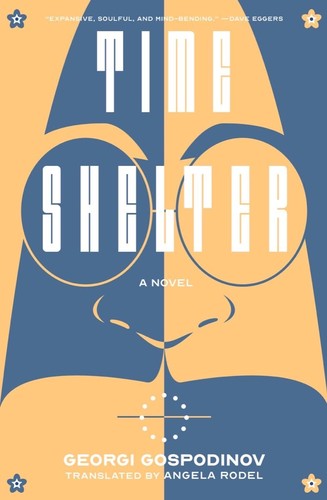
There's an excellent book in here. An engaging story about individual and collective self-delusion and amnesia, with some very clear political messages and a grim humour to it. But at times, especially in the second quarter or so of the book, the author seems unclear whether he's writing a novel or a NY Review Of Books essay about individual dementia, collective amnesia, and the selective remembering of nostalgia. It's clear that he could write a fine essay and I'd enjoy reading that too, but the hybrid is clunky. From the POV of a novel reader the essay portions make the plot drag slowly enough that I started to lose interest. From the POV of a creative nonfiction reader, the actually fiction parts are jarring and confusing.
A surprisingly fun exploration of some heavy themes
5 étoiles
I loved this book for several things:
How real and solid the historical-London setting felt. I'm used to that sort of thing feeling very flimsy, but this is an author who clearly does deep research and lets it suffuse the writing without getting all 'splainy.
The very palpable tension between the protagonist's precarious position and her need to have some freedom.
The delightful-if-implausable retconning of Sir Christopher Wren's secret motive for shaping London the way he did.
How real and solid the historical-London setting felt. I'm used to that sort of thing feeling very flimsy, but this is an author who clearly does deep research and lets it suffuse the writing without getting all 'splainy.
The very palpable tension between the protagonist's precarious position and her need to have some freedom.
The delightful-if-implausable retconning of Sir Christopher Wren's secret motive for shaping London the way he did.
A 'clinic for the past' offers a promising treatment for Alzheimer's sufferers: each floor reproduces …
About halfway through and I have mixed feelings about this book. I find the plot such as there is one quite interesting and a very good vehicle for dissecting/mocking the 2010s-2020s turn to fascism. And I like the writing itself a lot. But Gospodinov seems perpetually unsure whether he's writing a novel or an essay.
The thing that's keeping me going is that he's a good enough writer and observer for it to be an enjoyable essay, but I am increasingly finding myself wanting the essayish digressions to get shorter so the plot can move more.
About halfway through and I have mixed feelings about this book. I find the plot such as there is one quite interesting and a very good vehicle for dissecting/mocking the 2010s-2020s turn to fascism. And I like the writing itself a lot. But Gospodinov seems perpetually unsure whether he's writing a novel or an essay.
The thing that's keeping me going is that he's a good enough writer and observer for it to be an enjoyable essay, but I am increasingly finding myself wanting the essayish digressions to get shorter so the plot can move more.
In a futuristic world ravaged by global warming, people have lost the ability to dream, …
The Marrow Thieves
3 étoiles
This book is off the #SFFBookClub backlog, and I saw it mentioned on Imperfect Speculation (a blog about disability in speculative fiction).
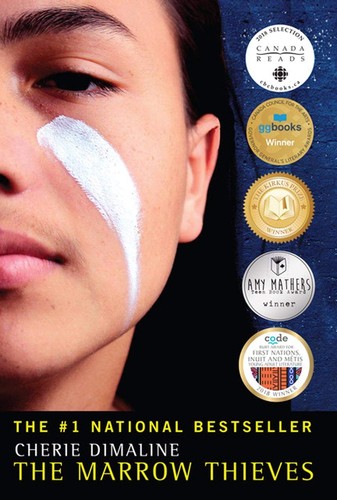
The novel is set in a post-apocalyptic near future world where most people have lost the ability to dream, and the only "cure" is through the exploitation of bone marrow from indigenous people who still can. The book follows Frenchie, a Métis boy who has lost everybody he cares about and travels with a found family trying to find safety and community. The metaphor here resonates directly with the horrors of Canada past, as armed "recruiters" capture anybody who looks indigenous to send them off to "schools" to extract their bone marrow.
I know this is a YA novel, but I wish some of the characters and the protagonist Frenchie had more depth. Maybe this would land better for somebody else, but I also don't have …
This book is off the #SFFBookClub backlog, and I saw it mentioned on Imperfect Speculation (a blog about disability in speculative fiction).
The novel is set in a post-apocalyptic near future world where most people have lost the ability to dream, and the only "cure" is through the exploitation of bone marrow from indigenous people who still can. The book follows Frenchie, a Métis boy who has lost everybody he cares about and travels with a found family trying to find safety and community. The metaphor here resonates directly with the horrors of Canada past, as armed "recruiters" capture anybody who looks indigenous to send them off to "schools" to extract their bone marrow.
I know this is a YA novel, but I wish some of the characters and the protagonist Frenchie had more depth. Maybe this would land better for somebody else, but I also don't have any room in my heart for jealousy subplots, and the one here did not create any extra characterization that could have made it interesting.
Even if some of the plot points felt a bit weak and unearned, the book still ended in a very emotionally resonant way that worked for me.
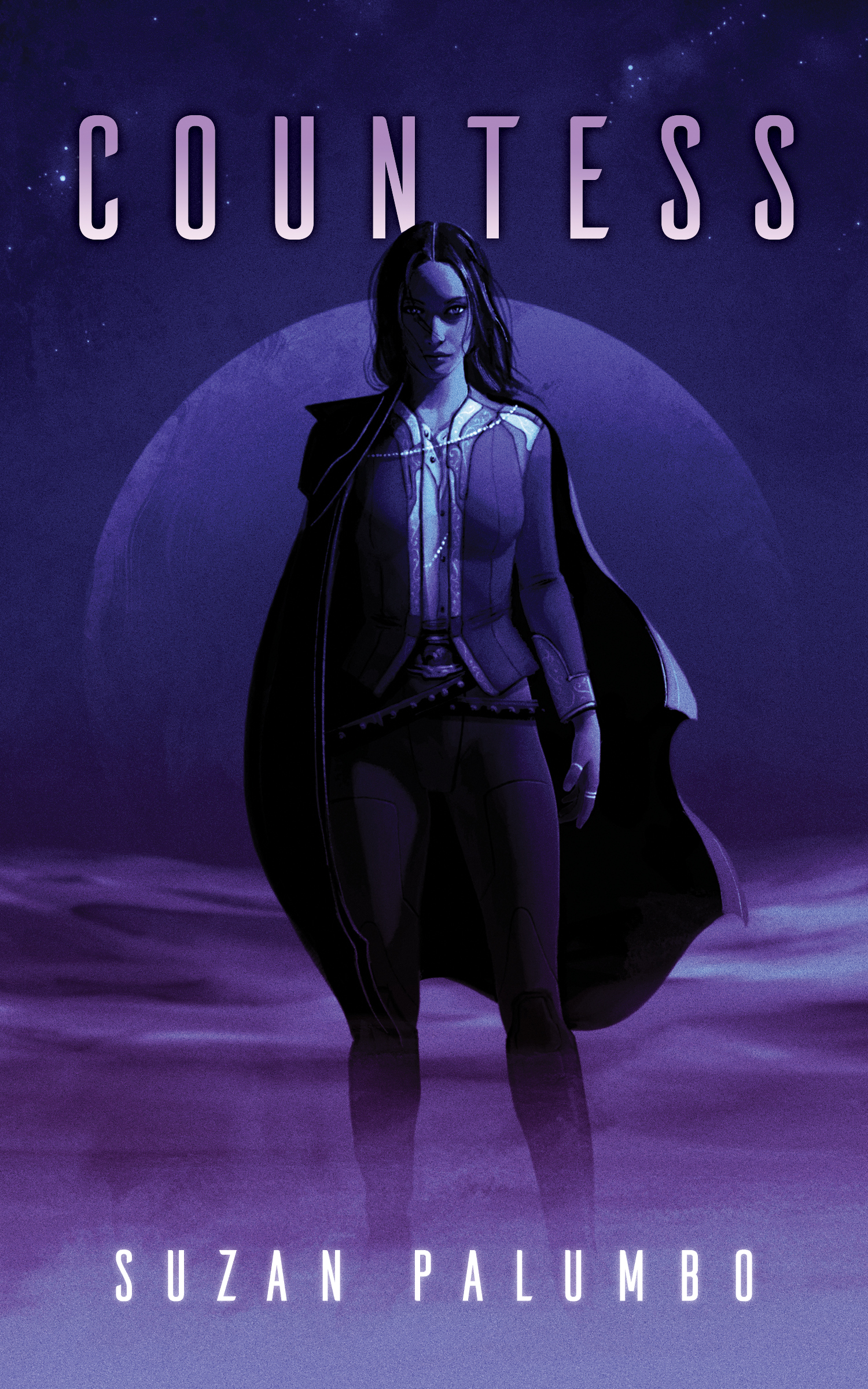
A queer, Caribbean, anti-colonial sci-fi novella, inspired by the Count of Monte Cristo, in which …
Countess
4 étoiles
I enjoyed this recontextualization of the Count of Monte Cristo into a science fiction story of revenge against empire and colonialism. It riffs on many elements from the original, but ultimately takes them in a different direction. Here, Virika is still framed by one of her peers due to his career jealousy, but it's also because of rebuffed sexual advances. Instead of "wait and hope" from the original, this book has the much more modern "success or perish" mantra.
As both a personal and thematic moment, the final scenes of negotiation come satisfyingly full circle, but sadly there's not that much room for worldbuilding in this short novella. It makes the larger diplomatic picture feel shallow, and the end of the book feel abrupt.
I enjoyed this recontextualization of the Count of Monte Cristo into a science fiction story of revenge against empire and colonialism. It riffs on many elements from the original, but ultimately takes them in a different direction. Here, Virika is still framed by one of her peers due to his career jealousy, but it's also because of rebuffed sexual advances. Instead of "wait and hope" from the original, this book has the much more modern "success or perish" mantra.
As both a personal and thematic moment, the final scenes of negotiation come satisfyingly full circle, but sadly there's not that much room for worldbuilding in this short novella. It makes the larger diplomatic picture feel shallow, and the end of the book feel abrupt.
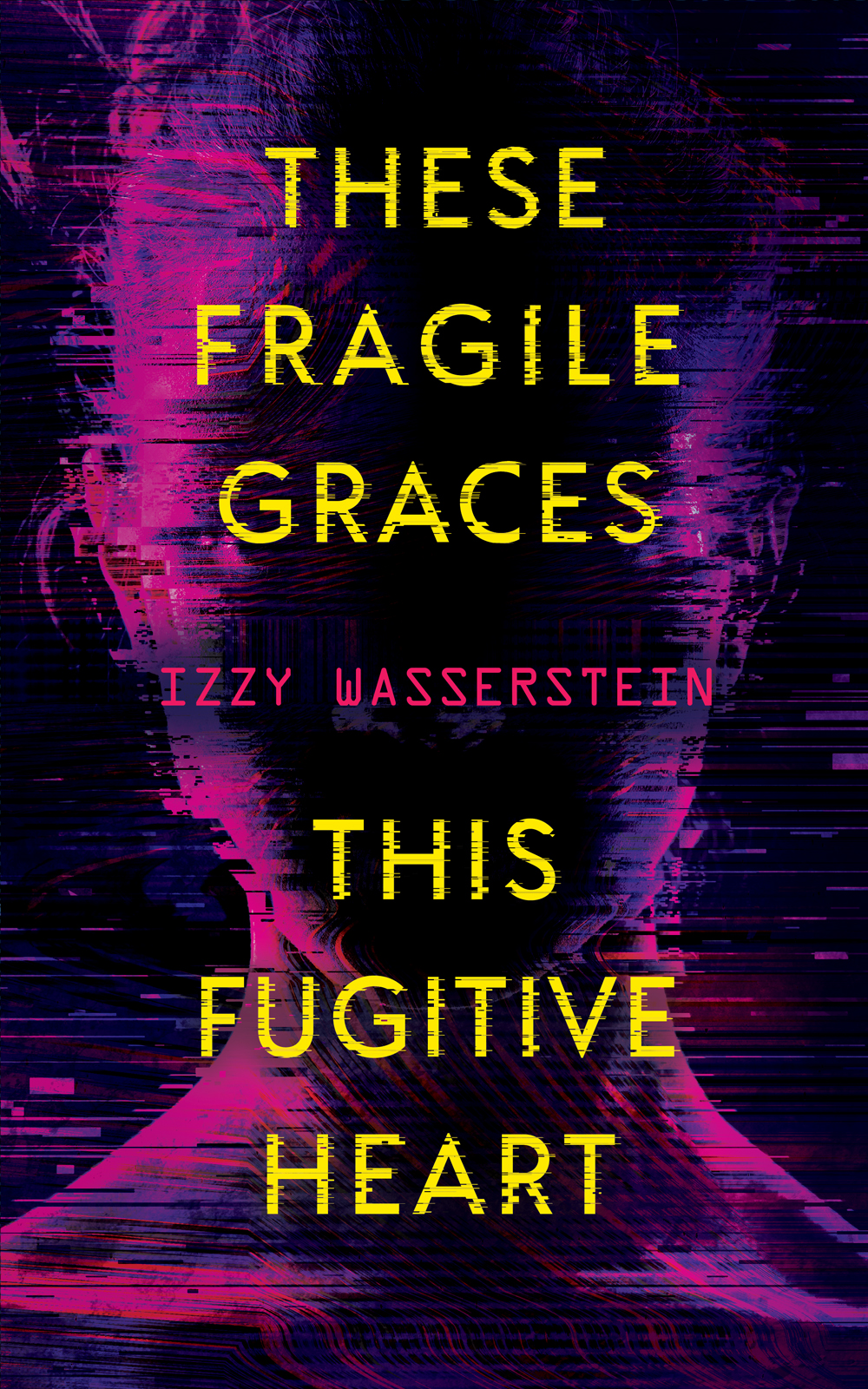
Security expert Dora left her anarchist commune over safety concerns. But when her ex-girlfriend Kay …
These Fragile Graces, This Fugitive Heart
4 étoiles
These Fragile Graces is a fun trans noir murder mystery novella. It's a story that focuses much more on interpersonal and community relations than it does on a well-plotted mystery or detailed worldbuilding. That focus also sums up my feelings about what I felt worked and didn't in the story.
Mostly, I wish the mystery plot was a little bit more cohesive, and that there was more detail about the state of the world itself rather than being in a vague near-future urban decay. I loved the small detail of having memory implants to deal with trauma-based dissociation from childhood, but I wish the ideas around implants/augments and a rejection syndrome connected more to the plot.
It is nice to see an anarchist commune in fiction (I feel like maybe I've only read this in Margaret Killjoy's work previously) and how the protagonist Dora wrestles with her relationship …
These Fragile Graces is a fun trans noir murder mystery novella. It's a story that focuses much more on interpersonal and community relations than it does on a well-plotted mystery or detailed worldbuilding. That focus also sums up my feelings about what I felt worked and didn't in the story.
Mostly, I wish the mystery plot was a little bit more cohesive, and that there was more detail about the state of the world itself rather than being in a vague near-future urban decay. I loved the small detail of having memory implants to deal with trauma-based dissociation from childhood, but I wish the ideas around implants/augments and a rejection syndrome connected more to the plot.
It is nice to see an anarchist commune in fiction (I feel like maybe I've only read this in Margaret Killjoy's work previously) and how the protagonist Dora wrestles with her relationship with the people in it, wishing she could keep them safe in ways that they don't want to be. And, the heart of this novel is a very trans story about how Dora deals with a (non-estrogenated) clone of herself who comes to murder her but she ultimately ends up protecting. From the moment her clone showed up and yelled traitor, I knew exactly where this story was going, but it was still satisfying to get there all the same.
Faced with a coming apocalypse, a woman must reckon with her past to solve a …
Those Beyond the Wall
4 étoiles
This was the #SFFBookClub book for February 2025. I am honestly a little surprised that it got a sequel. While I enjoyed it, I think this book suffers a little from being in the shadow of such a strong first book. It brings back nearly every character, although rooted in one world rather than worldhopping, and as such you really need to have read the first book to enjoy this one. The pitch for this book read almost as a murder investigation, but with foreknowledge from book one, it seemed incredibly obvious what the cause could be. This could just be a case of incorrect expectations on my part that the book would have more of a mystery element.
Thematically, I'm here for this story about justice and tearing down borders that separate the hoarding and exploitative rich from the poor. Here for the anger about how these rich …
This was the #SFFBookClub book for February 2025. I am honestly a little surprised that it got a sequel. While I enjoyed it, I think this book suffers a little from being in the shadow of such a strong first book. It brings back nearly every character, although rooted in one world rather than worldhopping, and as such you really need to have read the first book to enjoy this one. The pitch for this book read almost as a murder investigation, but with foreknowledge from book one, it seemed incredibly obvious what the cause could be. This could just be a case of incorrect expectations on my part that the book would have more of a mystery element.
Thematically, I'm here for this story about justice and tearing down borders that separate the hoarding and exploitative rich from the poor. Here for the anger about how these rich people will casually break promises and ignore consequences for undesirable people. This book ends up feeling extremely quotable, but in doing so sometimes come off as didactic and telling more than it shows, even while I am nodding my head in agreement.
One thing I think this book does really well is having the main character from the previous book show up here as a foil to the new main character Scales. We get to see ways in which Scales and Cara are very different people and the biases that Cara brought to the world. It also means that we get to see the runners and Nik Nik in a much different light than the first book too. Cara could have stolen the show, and the book manages to make it not about her.
This is the step some civilians don't understand, the step Cara rejects: We can only make good on our promise of protection if there's blood on our hands. We can't bluff. The city only speaks the language of power, and we have to speak it right back for them to listen.
A minor observation, but I feel like there's a psychological shift in recent fiction (or in me) from "violence is never the answer" to "existing power will only respect violence". Babel (and its explicit subtitle) is certainly example of this too.
Eccentric genius Adam Bosch has cracked the multiverse and discovered a way to travel to …
The Space Between Worlds
5 étoiles
I read this book five years ago, and thought I'd refresh myself before the #SFFBookClub read of the sequel this month. I'd forgotten just how much I enjoyed this story and world. The writing has a brusque, hardboiled tone from the cynical point of view of a survivor, and it really works for this particular kind of book.
This is a multiverse travelling story, where there is technology that can send people between similar worlds, but only safely to ones where their "other selves" are not alive. Cara is somebody who has fought to survive her whole life and thus has few other selves alive, so she gets a job as a "traverser" to be sent to other worlds to collect information. Because it deals with worldwalking between closely related worlds rather than wildly different ones (like Charles Stross' Merchant Princes series), it gets the opportunity to explore the …
I read this book five years ago, and thought I'd refresh myself before the #SFFBookClub read of the sequel this month. I'd forgotten just how much I enjoyed this story and world. The writing has a brusque, hardboiled tone from the cynical point of view of a survivor, and it really works for this particular kind of book.
This is a multiverse travelling story, where there is technology that can send people between similar worlds, but only safely to ones where their "other selves" are not alive. Cara is somebody who has fought to survive her whole life and thus has few other selves alive, so she gets a job as a "traverser" to be sent to other worlds to collect information. Because it deals with worldwalking between closely related worlds rather than wildly different ones (like Charles Stross' Merchant Princes series), it gets the opportunity to explore the same characters in different timelines where their lives had taken different paths.
The post-apocalyptic wasteland locale of this novel is split into the wealthy folks of Wiley City living behind a wall (literally and metaphorically the airquotes nice white people of this story), the religious Ruralites, and the survivors of Ashtown between them. Cara is constantly code switching and crossing borders, both locally and multiversally--she is pretending to be a Ruralite, is secretly from Ashtown, while she precariously lives in Wiley City (hoping to get citizenship). Thematically, I love how the book ends with doubling down on Cara's role as an intermediary between worlds.